From scam-spotting and password strength to first phones and family settings — calm, practical
answers that treat you like a person, not a mark. Type your safety question and get a straight answer in seconds,
with no judgement and no scare tactics. The full detailed report costs less than a cup of coffee: $2.95.
17 toolsFree instant local answers≈ one coffee ($2.95) for the full reportNo sign-up · No spam · Educational
Romance Scam Awareness: Patterns, Warning Signs & What to Do
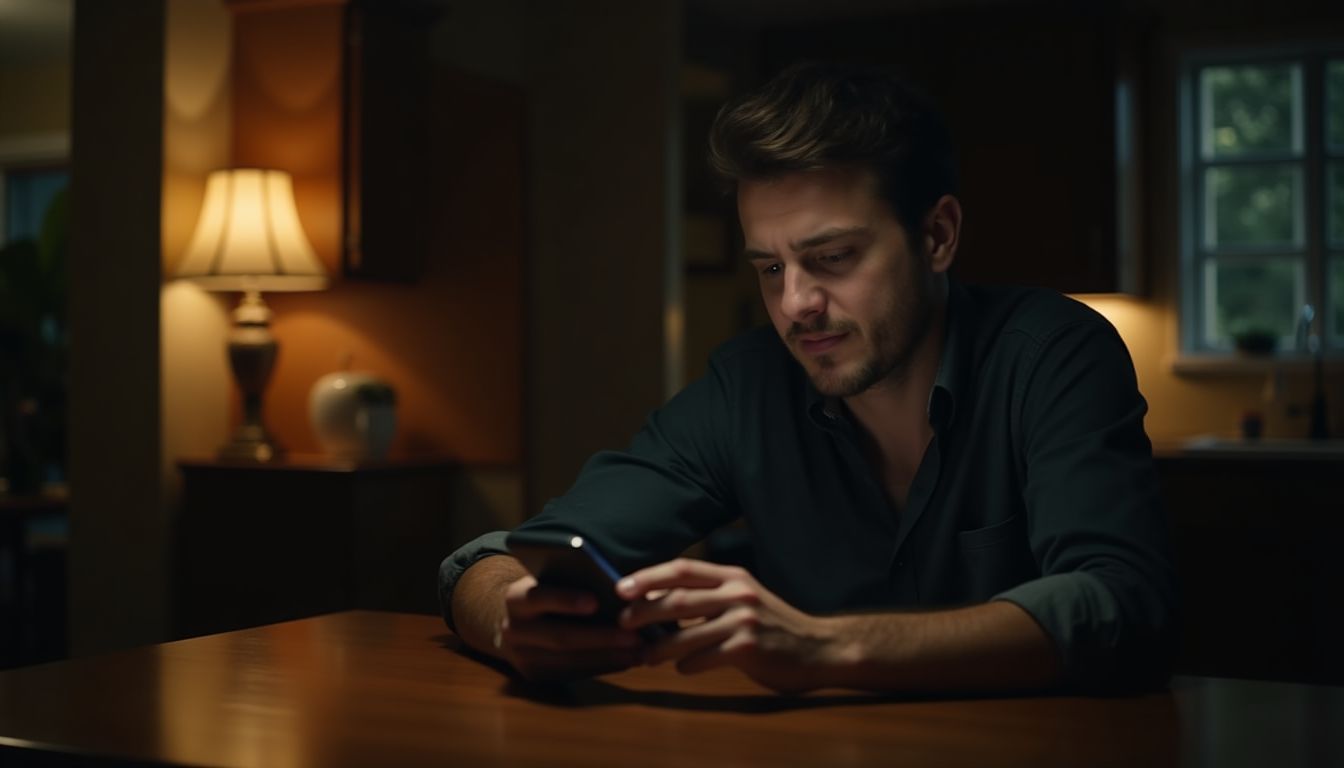
Romance scams are among the most financially damaging frauds, and the cruelty is that they weaponise loneliness and hope: a scammer builds a fast, intense connection, then manufactures a crisis that only money can fix. The patterns are remarkably consistent — refusal to video call or meet, stories that explain the distance, and escalating requests for money via irreversible methods. This guide explains those patterns in a calm, non-judgemental way, because victims are targeted and groomed over months, often in isolation from the friends who might notice. If you recognise these signs in a relationship — yours or someone else's — the steps here are practical and immediate, and reporting quickly genuinely improves the chance of recovering money.
⚡ Free instant check
How online romance scams work, the relationship patterns that warn you, and what to do if you or someone you care about is being drawn into one.
Why it matters
Romance scams are among the most financially damaging frauds: the average victim loses thousands, and the loss is compounded by real heartbreak.
The pattern is a fast, intense connection followed by a manufactured crisis — an emergency, a blocked account, a medical bill — that only money can fix.
Scammers almost always refuse video calls and in-person meetings, and their stories are built to explain why: military deployments, offshore work, travel.
Requests escalate from small gifts to large transfers, often via methods that cannot be reversed or traced.
Victims are usually targeted for months and often isolated from friends who might notice — kindness and loneliness are the vulnerability, not gullibility.
Your checklist
Guard your details: never share banking, passport or ID information with someone you have only met online.
Watch for the fast commitment and the instant 'soulmate' language — genuine relationships tolerate questions.
Treat any request for money, gift cards, crypto or 'help with a crisis' as a hard stop, whatever the story.
Insist on a live video call with the camera on — a persistent refusal is a warning sign in itself.
Do an image and name check: reverse-search their photos and search their name plus 'scam'.
Talk to someone you trust about the relationship; isolation is exactly what the scammer wants.
If money was sent, contact the bank immediately and report to the national fraud-reporting service.
❓ Romance Scam Awareness Guide — FAQ
How do romance scammers convince people to send money?
They build trust over weeks or months with constant attention and a shared future, then introduce a crisis — a medical emergency, a business setback, a blocked account — that only the victim can solve. Requests start small and grow, and are almost always routed through irreversible payments.
Why will a romance scammer never video call?
Video calls and in-person meetings would expose the fraud, so the story is engineered to prevent them: military deployment, offshore work, a passport problem, or a camera that 'never works'. A persistent refusal to show their face is one of the strongest warning signs there is.
Someone I love is sending money to someone online. What do I do?
Stay connected rather than critical — shame drives victims deeper into secrecy. Share this guide gently, ask questions out of care, and if money has been sent, encourage a call to the bank and the national fraud-reporting service the same day; speed is what recovers funds.
Every tool answers instantly from our own knowledge base and calculators — no AI wait, no account.
Honest checks built on widely reported scam patterns and standard security guidance, always calm and practical —
educational only, never a substitute for reporting a crime or contacting your bank. If you have lost money or believe
you are in danger, contact your local authorities and your bank today.
Want the deeper, personalised version? Each has a $2.95 full report.